

Traditional Bolognese is one of the most argued-about dishes in Italian cooking. The Bolognesi will tell you it must be made with beef and pork, with white wine, with no cream, with no garlic, with Parmigiano-Reggiano, cooked low and slow for at least four hours. They wrote it down. They filed it with the Chamber of Commerce of Bologna in 1982.
Chef Nikita's kitchen at Sesamo in Hell's Kitchen read all of that and asked: what if you replaced the wine acidity with tamarind? What if the umami finish was miso instead of parmesan? What if the beef was braised overnight until it falls apart in long, silky strands?
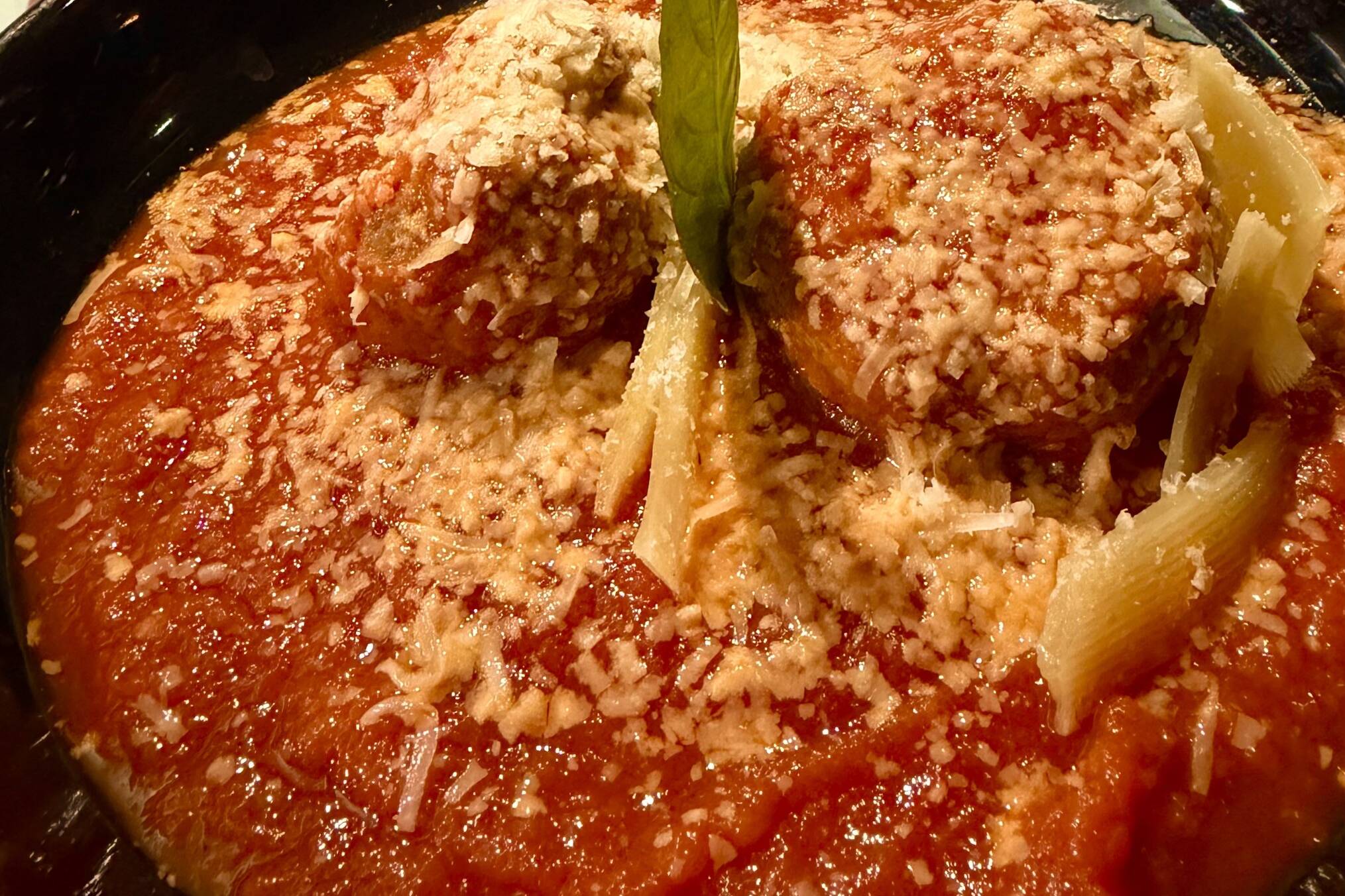
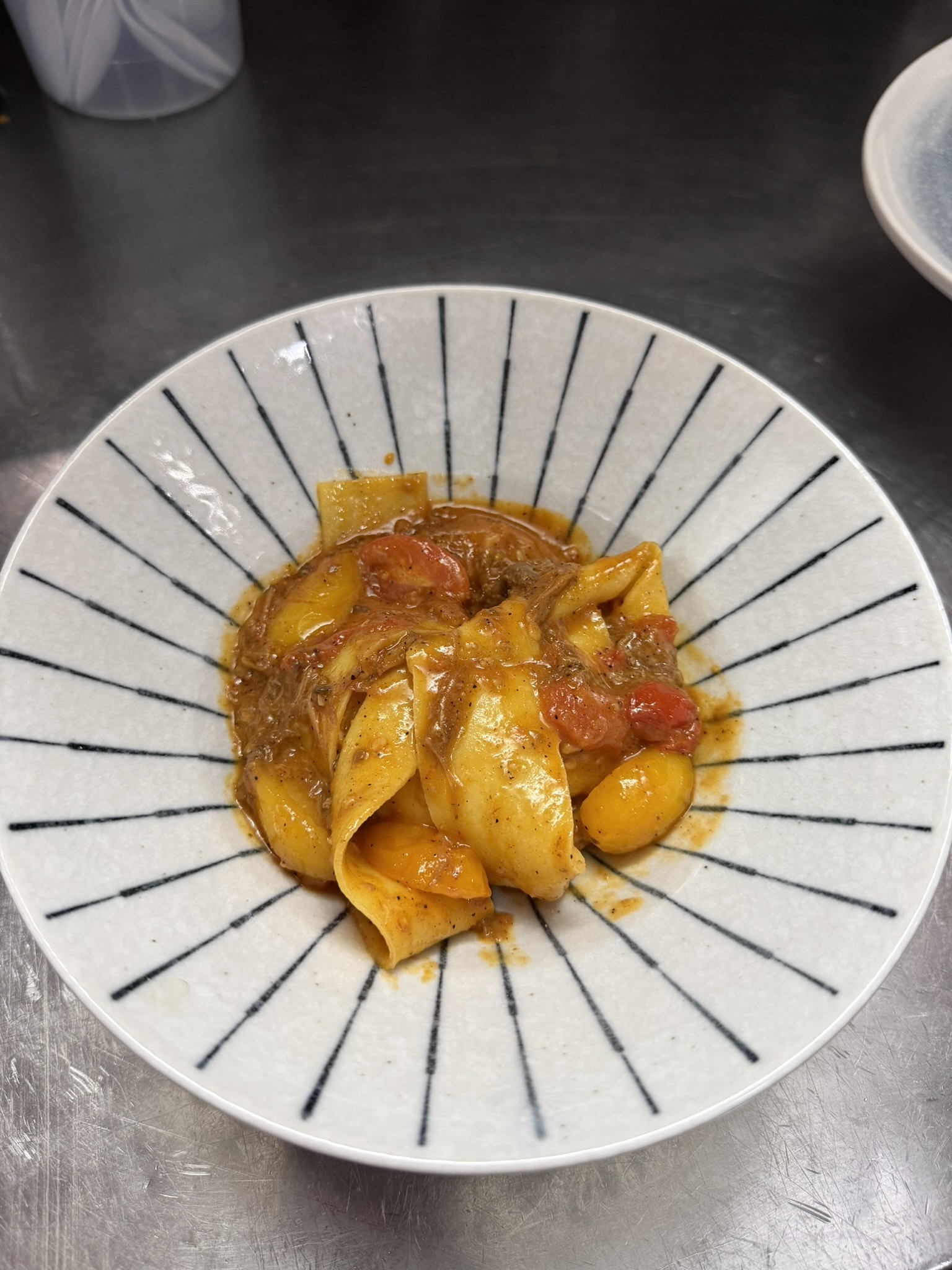
The result is the tamarind bolognese. A dish that starts as Italian and arrives somewhere entirely new. It is the dish that defines Sesamo, the one people order first and remember longest, and the reason this restaurant has been featured in Forbes, TimeOut New York, Noms Magazine, and W42nd.
Table of Contents
The Story Behind the Dish
|
THE STORY BEHIND THE DISH Sesamo's Tamarind Bolognese |
|
Sesamo was founded by Sabrina Gao, who left Beijing 25 years ago with two suitcases and one dream. She built a restaurant that carries both her heritage and her deep love of Italian food and wine in every dish on the menu. The tamarind bolognese is the dish that most directly tells that story. It starts with Bolognese, one of Italy's most protected and debated sauces, and asks a single question: what if you replaced the wine-and-tomato acidity with tamarind, and the parmesan umami finish with miso? The answer turned out to be a dish that neither Italian nor Asian cooking could have produced on its own. It required someone who knew both traditions well enough to see where they could meet. That dish is why people come to Sesamo for the first time. And why they come back. |
What Tamarind Actually Does to a Bolognese
The most common question about this dish is simple: why tamarind? Traditional bolognese uses white wine and tomato for its acidity. Tamarind is a fruit native to tropical Africa and South Asia, used extensively in Indian, Southeast Asian, and Mexican cooking. It has no business in a bolognese, and yet it is perfect there. Here is why:
- Tamarind's sourness is different from wine or tomato. Wine acidity is sharp and upfront. Tomato acidity is bright and fresh. Tamarind is deeper, darker, and more complex. It brings a sweet-sour combination that wine simply cannot replicate.
- Tamarind caramelizes during the long braise. As the sauce reduces over hours, the natural sugars in the tamarind caramelize. The dish picks up a dark, almost chocolatey undertone that you did not expect and cannot stop tasting.
- Tamarind amplifies umami rather than competing with it. When paired with miso and slow-braised beef, tamarind's sourness makes the savory notes taste more savory. The flavors multiply rather than cancel.
- Miso replaces parmesan as the umami finish, and goes deeper. Parmesan is aged and sharp. Miso is fermented, round, and slightly sweet. Stirred into the hot sauce in the final minutes of cooking, it integrates completely while adding a layer of depth that parmesan delivers on the surface.
The Five Flavors of Tamarind Bolognese
Every great dish hits multiple flavor notes at once. Here is exactly what the tamarind bolognese at Sesamo is doing across all five dimensions:
|
FLAVOR |
PRIMARY SOURCE |
SECONDARY SOURCE |
WHY IT MATTERS IN THIS DISH |
|
SOUR |
Tamarind The primary sour note |
Slow braise reduction Acid concentrates with time |
Classic Bolognese has no sour element at all. Tamarind adds the brightness that makes the sauce feel alive and layered. |
|
UMAMI |
Miso Fermented soybean paste |
Slow-braised beef Collagen breaks down into gelatin |
Double umami: the meat provides one layer, miso provides a second. Italian Bolognese uses parmesan as the umami finish. Miso goes deeper. |
|
SWEET |
Tamarind's natural sugars Balanced by sourness |
Caramelized aromatics Slow-cooked onion, carrot, celery |
Both sources of sweetness are earned slowly, not added. This is what makes the dish complex rather than sticky. |
|
SALT |
Miso's salt content Varies by type and brand |
Reduction of braising liquid Salt concentrates as liquid evaporates |
The salt in this dish is built-in, not added at the end. This is how Italian cooking treats salt: as a structural element, not a finishing seasoning. |
|
FAT |
Beef collagen and fat Released during the long braise |
Oil in the soffrito Base fat carries aromatics |
Fat is the carrier. Every other flavor travels through it. The collagen from the braise also adds body and gloss to the finished sauce. |
Tamarind Bolognese vs. Traditional Bolognese: A Direct Comparison
The Sesamo version respects the original without being constrained by it. Here is what changes and what stays the same:
|
TRADITIONAL BOLOGNESE |
SESAMO TAMARIND BOLOGNESE |
|
|
Protein |
Beef and pork mince, browned |
Slow-braised whole beef, pulled and folded back |
|
Acid source |
Dry white wine, tomato |
Tamarind paste, reduce into the braise |
|
Umami finish |
Parmigiano-Reggiano, grated over top |
Miso stirred into the sauce during the last hour |
|
Cook time |
2 to 3 hours, traditional |
Overnight braise, 8 or more hours |
|
Texture |
Chunky mince, distinct particles |
Long strands of pulled beef, falling apart |
|
Color |
Deep terracotta red from tomato |
Darker, browner, richer from tamarind caramelization |
|
Flavor profile |
Rich, meaty, acidic, parmesan-sharp |
Sweet-sour-savory-deep, all at once |
|
Pasta |
Tagliatelle or pappardelle traditionally |
Hand-rolled pasta daily, Chef Nikita's own |
The key insight in this comparison is in the cook time row. An overnight braise produces a fundamentally different protein texture than a two-hour braise. The beef does not just get tender. It transforms, releasing collagen that gives the sauce its body and pulling apart into long strands that behave more like ragu than classic bolognese. The tamarind and miso are applied to this transformed base. The result could not exist in the two-hour version.
|
The tamarind bolognese is served on hand-rolled pasta made fresh daily by Chef Nikita. The pasta changes with the season. The dish is available on the dinner menu Monday through Sunday from 4:30pm to 10pm at 764 10th Avenue in Hell's Kitchen. |
Why You Cannot Make This at Home and Why That Is Fine
You can absolutely make a tamarind bolognese at home. The components are available: tamarind paste in any Indian grocery, white miso in any Asian market, good quality beef from a reputable butcher. A slow cooker or Dutch oven handles the overnight braise. The process is straightforward for an experienced cook.
But here is what the recipe cannot give you:
|
WHAT YOU CANNOT REPLICATE AT HOME |
WHY IT MATTERS |
|
The pasta |
Chef Nikita rolls the pasta fresh every day. The surface texture of a hand-rolled noodle grips the bolognese sauce in a way that no commercial pasta replicates. This is load-bearing to the dish's success. |
|
The braise time |
An overnight braise produces a different result than a two-hour braise. The collagen fully breaks down, the beef falls apart into long strands, and the cooking liquid concentrates into something that needs almost nothing added to it. |
|
The tamarind calibration |
Too much tamarind and the dish tastes sour and thin. Too little and it just tastes like bolognese. The exact amount, adjusted nightly based on the acidity of that batch of tamarind paste, is Chef Nikita's call. |
|
The miso timing |
Miso loses complexity if it cooks too long. The moment it is stirred in matters enormously. Too early and the fermented notes disappear. Too late and it does not fully integrate. This is a judgment call that no recipe can capture. |
|
The room and the wine |
The tamarind bolognese is designed to be eaten in a specific context: Sesamo's dining room, with a glass of Sabrina's wine, with the full service experience around it. The dish does not exist in isolation. It exists as the centerpiece of an evening. |
None of this means you should not try to make it at home. Cooking it yourself will teach you exactly how the flavors interact and make you a better cook. But having made it at home will not make the Sesamo version less impressive. It will make it more impressive, because you will understand what went into it.
What to Order Alongside the Tamarind Bolognese
The tamarind bolognese is the centerpiece, but the table around it matters. Here is how to build the full Sesamo meal:
- Start with the lardo-stuffed dumplings. Paper-thin dumpling skin, rendered pork fat, a dipping sauce that moves between soy and aged balsamic. The best introduction to how this kitchen thinks.
- Add the beef tartare if it is on the menu. Premium tenderloin, soy-cured egg yolk, Sullivan Street Bakery sourdough. The soy cure on the yolk is a detail that distinguishes it from any other tartare in the neighborhood.
- Let Sabrina's wine list lead you. The natural and low-intervention Italian bottles on the list were chosen with these exact flavors in mind. Ask for a recommendation with the bolognese specifically. A medium-bodied red from northern Italy will do what parmesan can no longer do.
- Stay for dessert. The dessert menu rotates but always ends the evening with the same intention: something sweet and precise that feels like the right conclusion.
Arriving for the First Time
- Book on Resy for dinner, Monday through Sunday from 4:30pm to 10pm.
- Walk-ins are always welcome at the bar with no reservation needed and the full menu available.
- Aperitif Hour runs Sunday through Thursday from 4pm to 7pm. Arriving early means cocktail specials and bar snacks before your main dinner.
- Tell your server it is your first visit. The team will guide you through the menu and make sure the tamarind bolognese is your starting point.
|
Sesamo is at 764 10th Avenue, corner of 52nd Street, Hell's Kitchen. Dinner nightly from 4:30pm to 10pm. Brunch Saturday and Sunday from 11:30am to 3pm. Featured in Forbes, TimeOut New York, Noms Magazine, and W42nd. |
The Dish That Defines This Restaurant
There are restaurants that have one signature dish and cannot live up to the rest of the menu. Sesamo is not one of them. But the tamarind bolognese is the dish that most completely explains what this restaurant is: a place built by someone who grew up with one food culture, fell in love with another, and had the skill and conviction to ask what would happen if they met on the same plate.
The answer is on the menu every night of the week. Go find it.
|
Order the Tamarind Bolognese at Sesamo Tonight 764 10th Avenue, New York, NY 10019 | (212) 265-2755 | sesamorestaurant.com Dinner Mon-Sun 4:30pm-10pm | Aperitif Hour Sun-Thu 4-7pm | Walk-ins welcome at the bar | Book on Resy |
Plan your visit: Explore the full Sesamo menu, Italian-Asian fusion at 764 10th Avenue in Hell’s Kitchen, NYC. Discover more at sesamorestaurant.com.