

Table of Contents
Why Bellini Vin Santo del Chianti Deserves a Slow Pour
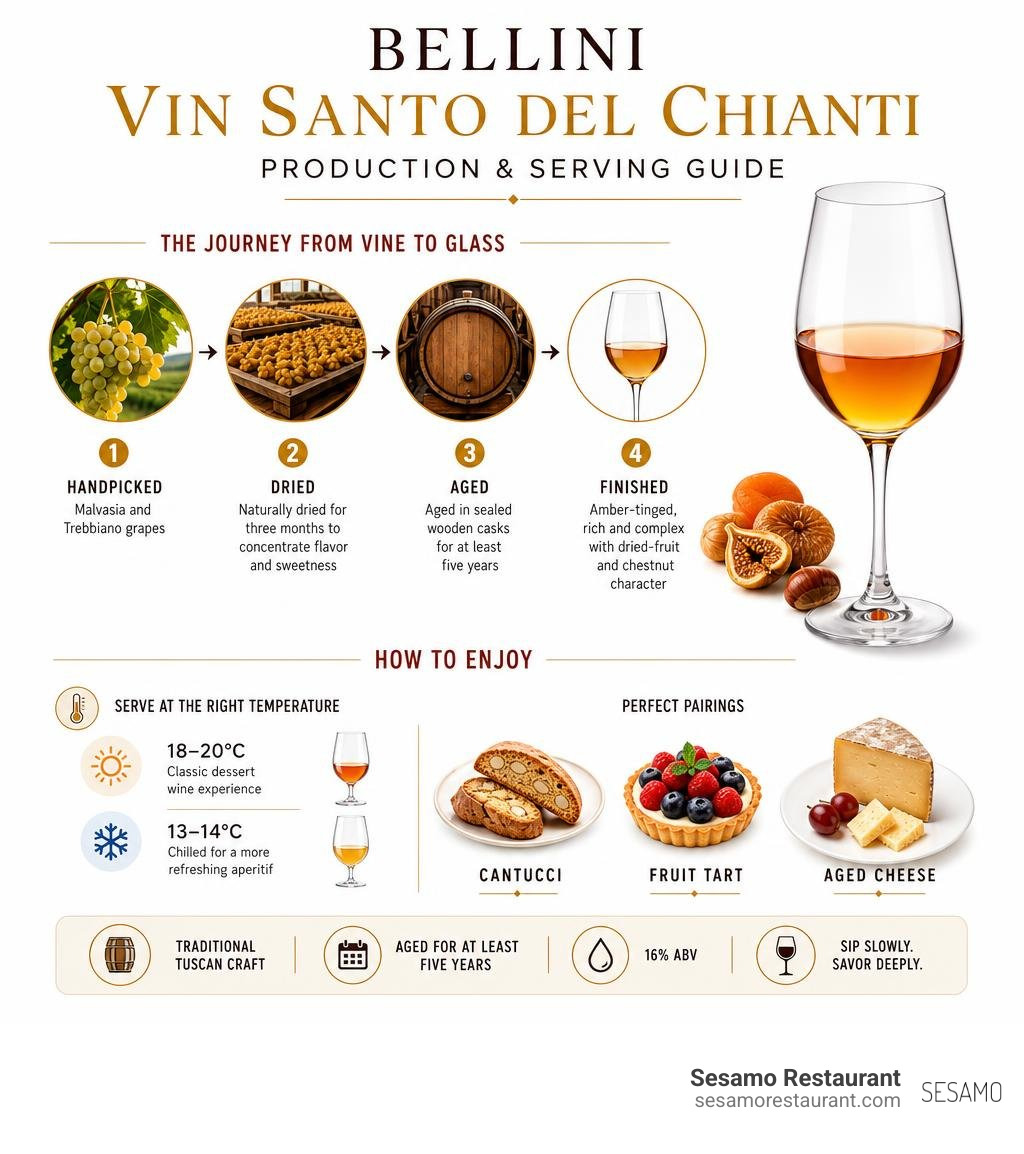
Bellini Vin Santo del Chianti is a traditional Tuscan dessert wine made from dried Malvasia and Trebbiano grapes, then aged for at least five years in sealed wooden casks. At 16% ABV, it offers an amber-tinged, rich style with dried-fruit and chestnut character. Serve it at 18-20°C with cantucci, fruit tart, or aged cheese; chill it to 13-14°C if you want a more refreshing aperitif.
This is not a wine to rush. The three-month grape-drying period concentrates natural sugar and flavor, while long cask aging brings depth, warmth, and a lingering finish. It can work as a classic post-dinner pour, but it also has enough acidity and structure to reward thoughtful cellaring.
I am Nikita Levitan, co-owner of Sesamo Restaurant in Hell’s Kitchen, where our Italian-Asian menu and wine program are built around memorable pairings without the fuss. Bellini Vin Santo del Chianti is the kind of layered, food-friendly bottle that makes a strong case for ending a meal slowly.
The Heritage and Craft Behind Bellini Vin Santo del Chianti
To truly appreciate what arrives in your glass, you have to look at where this wine begins. Produced under the strict regulations of the Vin Santo del Chianti DOC, Cantine Fratelli Bellini represents one of the most enduring legacies in Tuscan viticulture. Located in the Rufina district—a subregion renowned for producing wines with exceptional aromatic finesse and elevated natural acidity—the estate combines multi-generational wisdom with exacting cellar standards.
Winemaker Maurizio Masi oversees a production process rooted in historical precision. Unlike mass-market dessert wines that rely on late harvests or artificial concentration, authentic Vin Santo adheres to centuries-old regional guidelines. According to the official Cantine Bellini estate specifications, every vintage reflects the unique microclimate of the Tuscan hills, capturing warmth, patience, and meticulous artisan care.
Winemaking Roots of Cantine Fratelli Bellini
Cantine Bellini trace their roots deep into the 19th century. What began as a local family endeavor quickly earned renown across Italy and international markets under Carlo Bellini. The estate has built its reputation on honoring the natural topography of Chianti Rufina, where cooler nocturnal breezes preserve grape acidity while daytime sun matures the skins.
This balance is critical for dessert winemaking. Without bright acidity, a sweet wine feels heavy and cloying; with it, the wine becomes electric, complex, and endlessly age-worthy. The Bellini family’s cellars house decades of historic vintages, maintaining an unwavering commitment to authenticity that shines in every 500ml release.
Traditional Appassimento and Five-Year Cask Aging
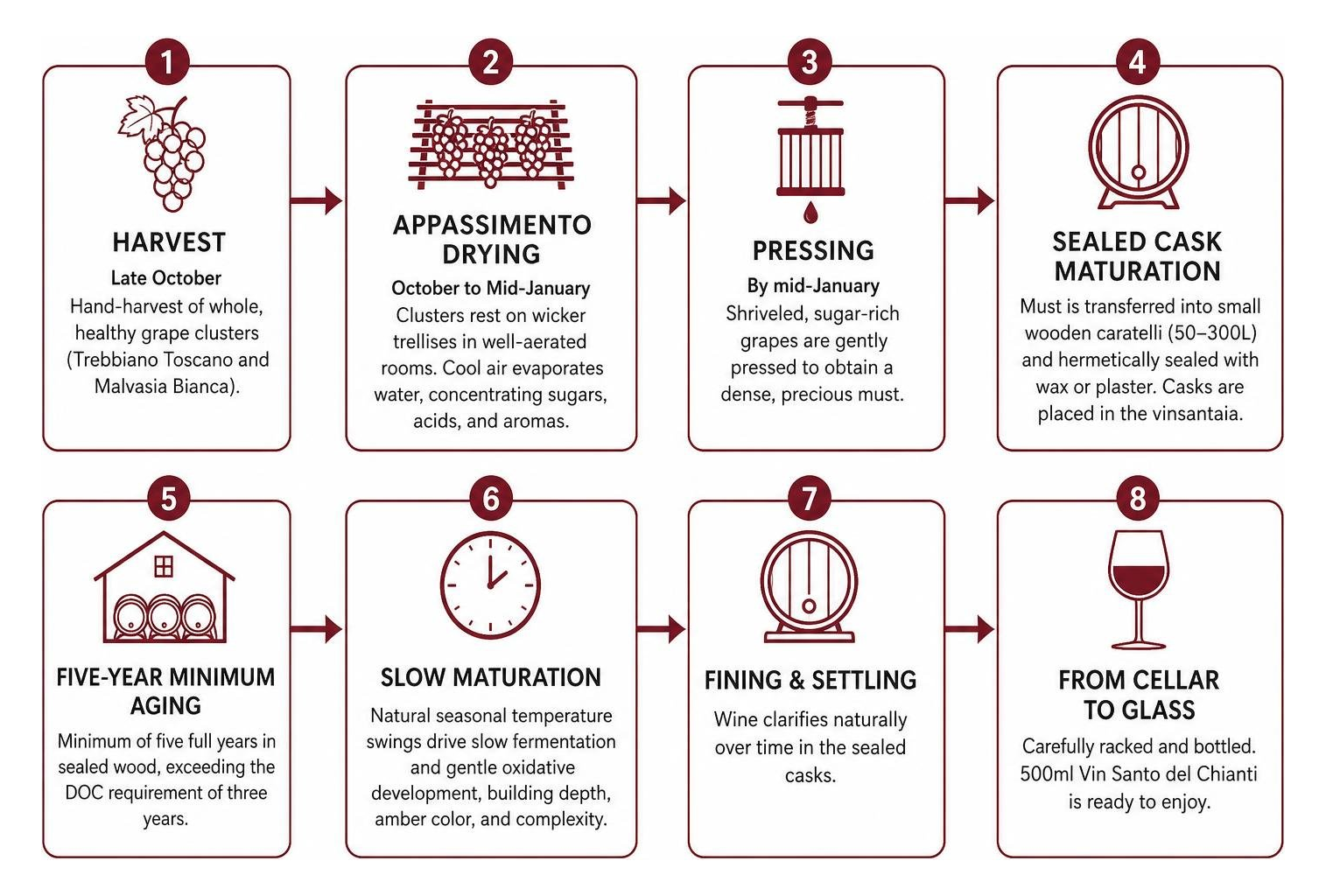
The winemaking journey of Vin Santo is unlike almost any other wine style in the world. It begins in late October with the careful hand-harvest of whole, healthy grape clusters—predominantly Trebbiano Toscano and Malvasia Bianca.
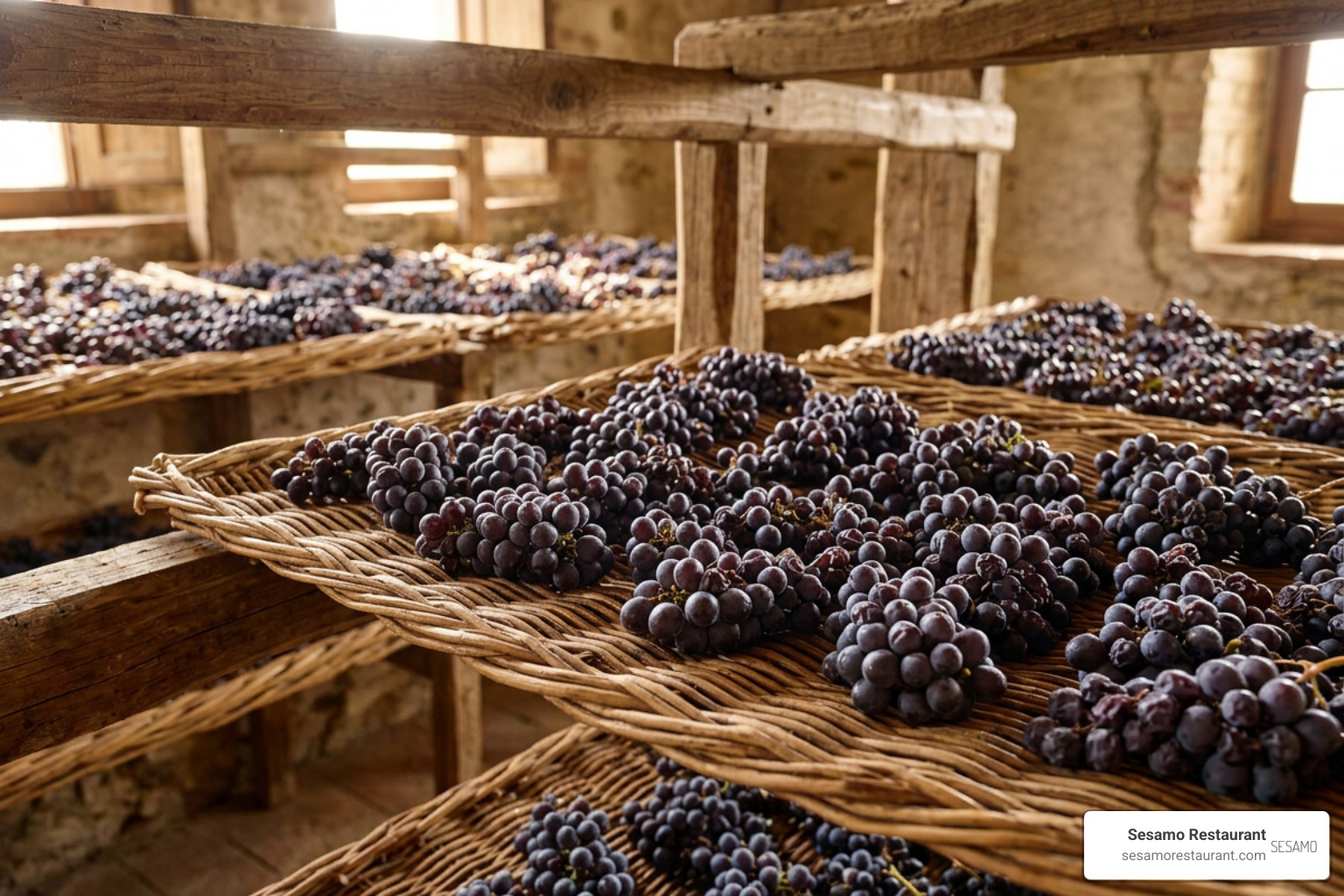
- The Appassimento Drying (October to Mid-January): The harvested clusters are laid out on traditional wicker trellises or suspended in well-aerated drying rooms (appassitoi). For roughly three months, cool autumn and winter air circulates across the fruit, evaporating water content and concentrating sugars, acids, and aromatic precursors.
- Pressing: By mid-January, the shriveled, sugar-rich grapes are gently pressed, yielding a dense, precious must.
- Sealed Cask Maturation (Caratelli): The must is transferred into small wooden barrels called caratelli (typically ranging from 50 to 300 liters). These casks are hermetically sealed with wax or plaster and placed in the estate’s vinsantaia (often an attic space subject to natural seasonal temperature swings).
- Five-Year Minimum Aging: While standard DOC laws mandate three years of aging, Cantine Bellini ages its Vin Santo for a minimum of five full years in sealed wood. During this time, the wine undergoes slow, continuous fermentation and gentle oxidative development, building deep amber tones and savory nuances.
Tasting Profile, Aromas, and Sensory Characteristics
Pouring a measure of Bellini Vin Santo reveals a luminous straw-yellow core fringed with brilliant amber and copper highlights. Swirling the glass demonstrates substantial viscosity, leaving slow-moving legs that signal its robust 16% ABV and concentrated residual sweetness.
On the nose, the wine is immediately expressive. Wave after wave of dried fruit, roasted chestnut, and honeyed warmth emerges. According to Vivino community tasting data, where the bottling holds an impressive 3.8 out of 5 across hundreds of reviews, drinkers frequently highlight its remarkable interplay of sweetness, nutty complexity, and lifted citrus finish.
Evaluating the Palette of Bellini Vin Santo del Chianti
On the palate, Bellini Vin Santo del Chianti delivers a rich, multi-layered experience. The entry is unctuously sweet but never heavy, immediately countered by the bright acidity inherent to Trebbiano Toscano.
- Primary Fruit: Dried apricot, sun-cured figs, golden raisins, and candied orange peel.
- Secondary Complexities: Roasted chestnuts, acacia honey, toffee, dark chocolate flakes, and crushed walnuts.
- Tertiary & Earth Notes: Warm balsamic undertones, dried tobacco leaf, sweet baking spices, and a touch of antique wood.
- The Finish: Lingering, harmonic, and warm, leaving a refined almond finish that cleanses the palate rather than coating it.
Vintage Comparison: Top Rated Bottlings
Because of vintage variations and the microclimatic conditions in the drying lofts, each bottling of Bellini Vin Santo showcases subtle shifts in sweetness and aromatic density. Review tracking on Winedexer vintage scores and reviews confirms that cellar-aged releases consistently score near the top of their peer group.
| Vintage | Average Rating | Alcohol (ABV) | Key Flavor Profile | Cellar Maturity |
|---|---|---|---|---|
| 2008 | 3.9 / 5 | 16% | Toffee, dried peach, roasted hazelnut, bright citrus acidity | Peak maturity; outstanding depth |
| 2009 | 3.9 / 5 | 16% | Glazed chestnut, honeyed fig, dark caramel, subtle smoke | Rich, unctuous, peak drinking window |
| 2012 | 3.8 / 5 | 16% | Candied citrus, golden raisin, dried apricot, sweet spice | Vibrant and fresh with great lift |
| 2015/2016 | 3.8 / 5 | 16% | Orange blossom honey, roasted nuts, fresh apricot | Youthful energy; decades of aging potential |
Serving Temperatures, Occasions, and Culinary Pairings
One of the greatest misconceptions about Vin Santo is that it belongs in only one context: room temperature alongside hard almond cookies. In reality, Bellini’s bottling is remarkably versatile depending on how you temperature-manage the bottle.
- As an Aperitif (13–14°C / 55–57°F): Lightly chilled, the sweetness recedes into the background, allowing the wine’s citrus peel, dried herbs, and bright acidity to step forward. It wakes up the palate and pairs cleanly with savory starters.
- As a Dessert or Meditation Wine (18–20°C / 64–68°F): At ambient room temperature, the alcohol softens into the background and the bouquet explodes with roasted chestnuts, caramel, and honey.
Serve in small, tulip-shaped white wine glasses or dessert wine stems rather than wide cordials to concentrate the delicate aromas toward your nose.
Food Pairings for Bellini Vin Santo del Chianti
The culinary applications of this Tuscan nectar stretch across both traditional and inventive dining tables:
- Classic Tuscan Pairings: Traditional dry almond cantucci (dipped briefly or enjoyed alongside), seasonal fruit tarts, panforte, and spiced hazelnut cakes.
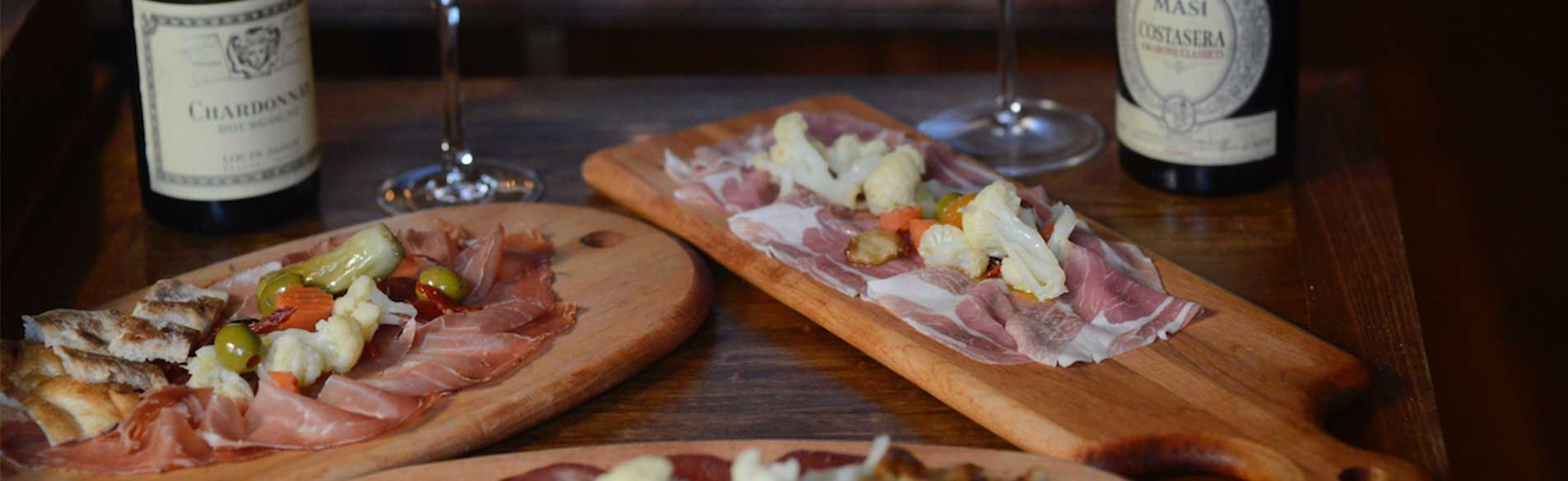
- Artisan Cheese Service: Pungent and salty cheeses create an unforgettable counterpoint to the wine’s natural sugars. Try aged Pecorino Toscano, Gorgonzola Dolce, Roquefort, or Parmigiano-Reggiano drizzled with chestnut honey.
- Savory and Fusion Entrees: At Sesamo, we love exploring how deep, oxidative sweet wines interact with savory richness. Bellini Vin Santo pairs wonderfully with slow-braised pork belly, caramelized lamb confit, or rich duck dishes infused with star anise and soy reduction. The wine’s 16% ABV and stone-fruit acidity cut straight through rich, savory fats.
Aperitif vs. Meditation Wine Service
In Italy, Vin Santo is often revered as a vino da meditazione—a wine meant for slow, contemplative sipping at the end of an evening without any food at all. Poured into a glass by the fireside or shared during intimate conversation, its evolving warmth offers complete sensory satisfaction.
Frequently Asked Questions About Tuscan Dessert Wines
What grapes are used to produce this Tuscan dessert wine?
Bellini Vin Santo del Chianti is crafted primarily from Trebbiano Toscano and Malvasia Bianca. Trebbiano provides the spine of crisp acidity required to keep the wine vibrant, while Malvasia contributes lush floral aromas, stone-fruit notes, and rich body.
What is the alcohol content and aging requirement?
Bellini Vin Santo del Chianti has an alcohol content of 16% ABV. Under DOC appellation regulations, the wine must be aged in sealed wooden casks for several years; Cantine Bellini exceeds standard minimums by aging their wine for at least five full years prior to release.
How long can an opened bottle of Vin Santo last?
Because Vin Santo undergoes years of gentle, controlled oxidation in sealed wooden barrels during production, it is remarkably resilient. Once opened, a bottle stored in a cool, dark place (or refrigerator) will easily retain its fresh aromatics and flavor complexity for 4 to 8 weeks.
Conclusion
Bellini Vin Santo del Chianti is a masterclass in patient craftsmanship. From three winter months of natural grape dehydration on wicker mats to half a decade resting in sealed wooden caratelli, every bottle represents a living Tuscan tradition.
Whether you pour it chilled as an invigorating pre-dinner aperitif, serve it alongside aged cheeses and almond biscotti, or tuck a few bottles away in your cellar to enjoy years from now, it is a rewarding addition to any wine lover’s collection. For curious drinkers seeking to deepen their understanding of how skin contact, grape varieties, and cellar aging shape your glass, exploring the difference between red wine and white wine styles is the perfect next step in your tasting journey.